


When people think about bed bugs, they usually picture them hiding in mattresses, bedding, or couches. While those places are common, bed bugs can hide in many other areas of the home—including electronics. Items like laptops, alarm clocks, gaming consoles, and even TVs can become unexpected hiding spots.
Because electronics create warmth and small protected spaces, they can attract bed bugs looking for a safe place to hide during the day. Understanding why this happens can help homeowners catch infestations earlier and prevent bed bugs from spreading.
Why Bed Bugs Hide in Electronics
Bed bugs spend most of their time hiding. They usually come out at night to feed, then return to tight, dark spaces where they feel protected.
Electronics provide several things bed bugs like:
Warmth
Many devices generate heat when they run or charge. Bed bugs are attracted to warmth because it often means a human is nearby.
Tight spaces
Bed bugs can squeeze into very small cracks. The vents, seams, and openings in electronics give them plenty of places to hide.
Dark, undisturbed areas
Electronics often sit in the same spot for long periods. Bed bugs prefer places where they won’t be disturbed during the day.
Because of these factors, electronics near beds or couches can become convenient hiding places.
Common Electronics Bed Bugs May Hide In
Bed bugs don’t usually live deep inside complex electronics, but they can hide in outer seams, vents, and openings. Some of the most common devices where bed bugs are found include:
Laptops
Laptops often sit on beds or nightstands, placing them close to where people sleep. The vents and keyboard areas can offer small hiding spots.
Alarm clocks
These are usually located right next to the bed, making them an easy hiding place after feeding.
Gaming consoles
Gaming systems produce heat and may stay powered on for long periods, making them attractive to bed bugs.
Television remotes
Remotes often stay on beds or couches and have seams where bugs can hide.
Power strips and chargers
These items create warmth and have small openings that bed bugs may use for shelter.
While these items may not be the main source of an infestation, they can help bed bugs move around a home unnoticed.
How Electronics Can Spread Bed Bugs
Electronics are often moved from place to place. This makes them a potential way for bed bugs to travel.
For example, someone might:
- Bring a laptop from home to work
- Pack electronics in luggage while traveling
- Move devices during a home relocation
- Place electronics in storage
If bed bugs are hiding in or around these items, they can easily be carried into new locations. This is one reason infestations sometimes spread between homes, hotel rooms, and offices.
Signs Bed Bugs May Be Hiding Nearby
It’s rare to see bed bugs directly inside electronics, but you may notice clues that they are hiding close by.
Common signs include:
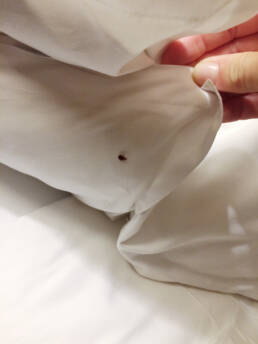
- Small dark spots near vents or seams
- Tiny shed skins near devices
- Bed bug bites that appear after sleeping or resting nearby
- Bugs seen crawling near nightstands or desks
If these signs appear around electronics close to sleeping areas, it may indicate that bed bugs are using nearby items as hiding spots.
Why DIY Treatments Often Miss These Areas
Many store-bought sprays focus only on mattresses or floors. But bed bugs hiding near electronics can easily avoid these treatments.
Spraying electronics can also be dangerous. Liquids may damage the device or create electrical hazards. Because of this, many homeowners avoid treating these areas completely.
Unfortunately, untreated hiding spots allow bed bugs to survive and continue spreading through the home.
Why Professional Treatment Is Often Necessary
Bed bugs are difficult to eliminate because they hide in so many places. Effective treatment must reach all of their hiding spots, not just the obvious ones.
Professional bed bug treatments consider the entire environment, including areas near electronics, furniture, walls, and other tight spaces. This helps ensure that hidden bugs are eliminated instead of left behind.
Professionals also understand how bed bugs move through a home. By treating the full infestation instead of just visible areas, they can prevent the problem from returning.
Companies like Hot Bugz specialize in thorough bed bug solutions designed to reach the spaces where these pests hide.
Tips to Reduce Risk Around Electronics
While electronics can attract bed bugs, a few simple habits can help reduce the risk.
Keep electronics off the bed when possible
Placing laptops and devices on desks instead of bedding reduces exposure.
Inspect devices near sleeping areas
Check vents, seams, and nearby surfaces if you suspect bed bugs.
Be cautious when traveling
Avoid placing electronics directly on hotel beds or upholstered furniture.
Avoid bringing used electronics home without checking them
Secondhand devices can sometimes carry hidden pests.
These steps won’t eliminate an infestation, but they can help reduce the chance of spreading bed bugs through everyday items.
The Bottom Line
Bed bugs are skilled at hiding in places people don’t expect—including electronics like laptops and alarm clocks. The warmth and small spaces around these devices make them attractive shelters close to where people sleep.
Because electronics can also travel from place to place, they can accidentally help bed bugs spread to new locations.
If you suspect bed bugs in your home, it’s important to address the problem completely. Working with experienced professionals like Hot Bugz helps ensure that infestations are treated thoroughly, including the hidden areas where bed bugs like to hide.
Ready for an expert opinion? Get in touch today!
We kill bed bugs in the infested space and surrounding walls by heating the space to a temperature of 135°F, killing all bed bugs and their eggs. If you have a bed bug problem, we have a solution. Exterminate bed bugs today with Hot Bugz. It’s safe and you get to keep your stuff. Call us today for a free consultation.