


A heat treatment kills every bed bug and egg the heat reaches. What it can’t do is stop new ones from walking back in. Heat leaves no residue, so once the equipment is packed up, your home is only as protected as your habits. After 16 years of heat extermination in Denver, the team at Hot Bugz has seen that repeat problems nearly always trace back to how the bugs arrived the first time. Close off that route and you stay bed bug free.
Why do bed bugs come back after heat treatment?
When bed bugs appear again after a thorough heat treatment, it’s almost always a reintroduction, not survivors. New bugs came in the same way the first ones did.
That’s why our technicians spend part of every inspection working out how you got them. Used furniture is the most common route we see, followed by travel, secondhand clothing, house guests, and neighbors in shared buildings.
Bed bugs are also patient. The EPA notes they usually feed every 5 to 10 days but can survive several months to a year without a meal, so a few bugs hiding in a stored bag can wait a long time.
How should I check my luggage after traveling?
Treat your suitcase as the most likely way bed bugs get back into your home. EPA travel guidance recommends checking the mattress and headboard before you sleep, inspecting the luggage rack, and keeping your bag on the rack instead of the bed or floor.
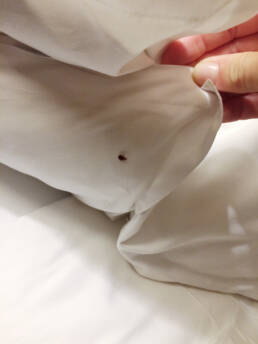
At a hotel, pull back the sheet corners and check the mattress seams with a phone flashlight for live bugs, pale shed skins, or dark specks about the size of a period.
At home, skip the bedroom. The EPA suggests unpacking straight into the washer, then drying on high, since washing alone generally won’t kill bed bugs. Thirty minutes on high heat handles the clothes. Vacuum the suitcase, check the seams and zipper tracks, and store it in the garage or basement, never under the bed.
Do mattress encasements actually prevent bed bugs?
Yes, if you buy the right kind and leave it on. An encasement is a zippered cover that seals a mattress or box spring on all six sides, so bugs can’t get inside to hide and any bug on the outside is easy to see.
The EPA recommends encasing both the mattress and the box spring, choosing a tear-resistant product tested for bed bugs, and leaving it on for a year. Every few weeks, check the zipper end and corners for small rips, because a torn encasement becomes a hiding spot.
The box spring deserves the same attention as the mattress. Its underside is full of wood joints, staples, and fabric seams, and very few people ever flip it over to look.
Does sealing cracks help keep bed bugs out?
Sealing cracks won’t block every bug, but it removes hiding spots and slows their movement between rooms or units. The EPA includes sealing cracks and installing door sweeps among its prevention steps.
Start near the bed. Caulk gaps where baseboards meet the floor, around loose trim, and where pipes or cables pass through walls. In apartments and townhomes, look closely at shared walls, plumbing openings, and the gap under the entry door, since bed bugs can travel between units.
How can I tell early if bed bugs are back?
Put monitors under the bed and check them on a schedule. Interceptor traps are small dishes that sit under each bed leg. Bugs climbing toward the bed fall into the outer well and can’t climb the slick sides back out. Hot Bugz offers interceptors as a monitoring tool, though they won’t eliminate an infestation.
Don’t count on bites to warn you, since some people never react. Check the traps and mattress seams every week or two for the first few months, then monthly.
Is secondhand furniture safe to bring home?

Only after a careful inspection, and some pieces aren’t worth the risk. The Washington State Department of Health advises never bringing home discarded bed frames, mattresses, box springs, or upholstered furniture. For anything else, check the seams, joints, screw holes, and underside with a flashlight before it comes inside. Used clothing goes directly into a hot dryer.
What should I do if I find a bed bug after treatment?
Catch it on clear packing tape, note where you found it, and call your exterminator instead of reaching for a spray or fogger. Home remedies tend to drive bed bugs into walls and neighboring rooms, which makes the next treatment harder.
Keeping your home bed bug free with Hot Bugz
Heat takes care of the bugs that were already inside. After that, prevention comes down to watching what comes through the door and keeping your bed encased and monitored, so a single hitchhiker gets caught before it becomes an infestation. If you spot something suspicious or want a follow-up inspection, contact Hot Bugz. We’ll identify what you found, figure out where it came from, and help you keep it from happening again.
Ready for an expert opinion? Get in touch today!
We kill bed bugs in the infested space and surrounding walls by heating the space to a temperature of 135°F, killing all bed bugs and their eggs. If you have a bed bug problem, we have a solution. Exterminate bed bugs today with Hot Bugz. It’s safe and you get to keep your stuff. Call us today for a free consultation.