


Assisted living runs on shared routines. Staff move from room to room, residents gather for meals and activities, and families visit with coats, bags, and gifts. All that movement gives bed bugs easy ways to travel. Hot Bugz has worked with assisted living facilities (ALFs) across the Denver area for years, and we see the same pattern often: by the time anyone notices, the bugs have been settled in for weeks. Senior living carries its own risks, and it calls for a treatment that protects residents while it works.
Why are bed bugs harder to catch in assisted living?

Many residents never show visible bites, so infestations grow quietly. The Illinois Department of Public Health notes that elderly and immune-compromised people tend to have milder reactions to bed bug bites, and that skin marks can take up to two weeks to appear. Industry guidance for health care facilities also cites University of Kentucky research finding that older adults react less to bites.
A resident with dementia or limited eyesight may not notice a bug on the sheets or be able to describe one. That puts early detection on the staff, which is why training matters as much as treatment.
What brings bed bugs into senior living facilities?
Most introductions come in with people and their things. New residents often arrive with furniture, clothing, and boxes from a previous home or another care setting. Residents return from hospital stays. Visitors, home health aides, and outside therapists come and go all day.
Inside the building, equipment moves too. The Illinois guidance recommends regular inspection of wheelchairs and food carts, and laundry carts and walkers deserve the same attention. Rooms themselves tend to hold upholstered recliners, stacked keepsakes, and bedside clutter, all good hiding spots.
Are bed bugs dangerous for elderly residents?
Bed bugs aren’t known to spread disease, according to the CDC, but they can still cause real harm to older adults. Scratching thin, fragile skin can open wounds that become infected. Nighttime biting interrupts sleep, and for residents with dementia, poor sleep and the stress of an infestation can make confusion and agitation worse. There’s also the matter of dignity. Nobody wants their mother’s room to become the subject of hallway talk.
Why is Hot Bugz heat treatment a good fit for assisted living?
Heat kills bed bugs and their eggs in one visit without pesticides, which matters in a building full of people with respiratory conditions and limited mobility. A Hot Bugz treatment raises rooms to 135 to 140°F, reaching into mattresses, furniture, walls, and trim where bugs hide. Technicians monitor temperatures on-site the entire time, and there’s no chemical residue left behind when residents return.
The schedule is easier on residents too. In our experience, chemical programs need at least three treatments over about 30 days, which can mean repeated disruption for someone who struggles with change. Most heat treatments take 5 to 10 hours, so a resident is typically relocated for part of a day and sleeps in their own room that night. They also keep their belongings, including the recliner and the family photos that make the room feel like home.
We use unmarked vehicles and equipment, and we work quietly around the facility so other residents and visitors aren’t alarmed.
Should neighboring rooms be treated?
Often, yes, or at least inspected. Bed bugs travel along shared walls, plumbing lines, and gaps under doors, so we check the rooms on either side and across the hall. The Illinois guidance also recommends sealing gaps that connect rooms to limit spread.
How should facility managers work with an exterminator?
The facilities that stay ahead of bed bugs treat it as an ongoing protocol, not a one-time emergency. Hot Bugz helps managers and staff build one, and a few pieces make the biggest difference:
- Add bed bug questions to move-in intake, as Florida Department of Health guidance for ALFs recommends, including any unexplained bites or past infestations at a previous residence.
- Run incoming clothing through a hot dryer before it goes into a resident’s room, and have new residents change into heat-treated clothes on arrival.
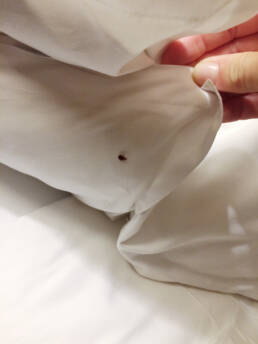
- Train caregivers and housekeepers to recognize bugs, shed skins, and fecal spots during bed changes.
- Let visiting health care providers know about your protocol and inspect equipment they bring in.
- Schedule follow-up inspections after any treatment, and keep one staff member as the point of contact.
Clear, calm communication with families helps as well. Tell them what was found, what’s being done, and when their loved one will be back in their room.
Protecting residents with Hot Bugz
Bed bugs in assisted living are harder to spot and harder on the people living there, which makes early detection and a gentle, effective treatment especially important. Heat handles the infestation in a single day without chemicals, and a written protocol keeps it from coming back. If you manage a senior living community, contact Hot Bugz to schedule an inspection or to start building a bed bug plan with your staff.
Ready for an expert opinion? Get in touch today!
We kill bed bugs in the infested space and surrounding walls by heating the space to a temperature of 135°F, killing all bed bugs and their eggs. If you have a bed bug problem, we have a solution. Exterminate bed bugs today with Hot Bugz. It’s safe and you get to keep your stuff. Call us today for a free consultation.