

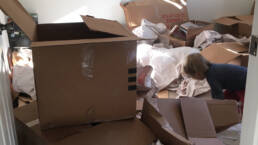
Moving is the best opportunity bed bugs will ever get. Boxes get stacked in shared hallways, furniture rides in trucks that hauled someone else’s couch the week before, and a borrowed dresser from a friend’s last move ends up in the bedroom by sundown. Every one of those handoffs is a chance for an introduction. Hot Bugz has cleared bed bugs from Denver homes where the infestation arrived on moving day and stayed quiet for two months before anyone noticed bites. The flip side is that a move is also the cleanest chance you will get to start over, if you treat a few specific steps as non-negotiable.

What follows is the protocol the Hot Bugz team recommends before and during a move. Most of it comes down to what you decide not to bring.

Start With an Honest Look at the Old Place

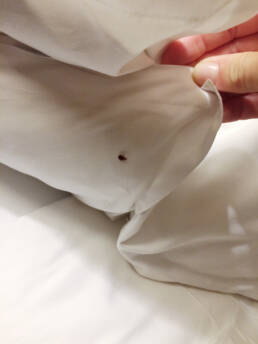
The first job is figuring out whether the home you are leaving has bed bugs at all. Pull the bed away from the wall and inspect the seams of the mattress, the box spring, the crevices of the headboard, and the back of the nightstand. Look for live bugs, dark fecal pinpoints, shed skins, or pale eggs the size of a grain of rice. Check the couch where someone naps and the recliner.

If anything looks off, stop packing and get an inspection before you commit to a move date. Bringing a known infestation to a new address is how a single problem becomes two leases worth of trouble.

Use New Boxes, Not Free Ones

The cardboard boxes stacked behind the grocery store, the ones offered on neighborhood swap pages, the ones left in the apartment dumpster room, all of those have been somewhere. Bed bugs hide in cardboard seams, especially in folded flaps that have been stored in a closet or basement. Buy new boxes or use plastic bins. The cost difference across a whole move is small compared to a heat treatment, and the same logic applies to reused packing paper, secondhand bubble wrap, and cloth padding from an attic.

Treat Soft Goods Before They Go in the Box

Clothing, bedding, curtains, towels, and stuffed toys are the easiest items to disinfect and the easiest to overlook. Run dryer-safe textiles on high heat for 30 minutes before they get sealed in a box or bag. Sustained temperatures above 120 degrees Fahrenheit kill every life stage of a bed bug, including the eggs that often survive a wash cycle. Move heated items directly into a closed bin and tape it shut.

Be Cautious With Used Furniture and Borrowed Equipment

Curb finds and marketplace deals are tempting at the start of a move. They are also the most common way bed bugs enter a new home. If a piece of upholstered furniture is coming with you from any source other than your own home, inspect every seam, the underside, the cushion zippers, and the joints where the legs meet the frame. Hard wood furniture is lower risk but not zero risk, and drawers should be pulled out and checked.

Borrowed moving blankets and dollies belong in the same category. Professional movers who reuse equipment across jobs can move bugs between addresses without realizing it. Ask whether the company heat-treats its blankets between moves.

The Hot Bugz Walk-Through Before Anything Comes Off the Truck

Almost no one takes this step, and it matters most in apartments, condos, and any home that had previous tenants. Before the first box gets carried in, walk the empty unit with a flashlight. Pay attention to bedroom outlet covers, the baseboards behind where the bed will sit, and any holes where pipes or wiring pass through walls. Bed bugs travel between units through those gaps. If the new place is an apartment, ask the property manager directly whether any unit in the building has had bed bug treatment in the last twelve months. Their answer matters more than the listing photos.

Watch the First Two Weeks

Once everything is unpacked, set up a simple monitoring habit. Pull the bed slightly away from the wall, run a flashlight along the seams once a week, and check for fecal pinpoints on the sheet near the headboard. Most new infestations show themselves within fourteen days because the bugs need to feed.

If you spot anything, do not crush, spray, or wait. Bag what you can and call a professional. A heat treatment from Hot Bugz reaches every crack, outlet, and furniture joint at temperatures bed bugs cannot survive, without chemicals and without forcing you to throw out the things you just moved.

A Clean Move Is a Choice

Most bed bug calls Hot Bugz answers from new movers in Denver trace back to a single decision made on moving day, a free box, a friend’s dresser, or a unit that was never inspected. Build the protocol into your move and the odds shift hard in your favor. If something turns up in the first month, get an inspection scheduled before the bugs spread through the rest of the home.

Ready for an expert opinion? Get in touch today!

We kill bed bugs in the infested space and surrounding walls by heating the space to a temperature of 135°F, killing all bed bugs and their eggs. If you have a bed bug problem, we have a solution. Exterminate bed bugs today with Hot Bugz. It’s safe and you get to keep your stuff. Call us today for a free consultation.


Contact Us Today
Like this article? Spread the word!
Business

Call or Text

7 Days a Week
6 am – 12 am

Meet us

Social Profiles


...