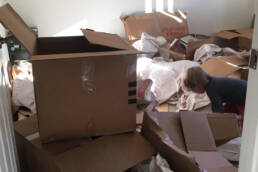


A bed bug history can quietly affect a Denver real estate transaction long after the keys change hands. Sellers who have dealt with an infestation often want to put it behind them. Buyers want to know what they are walking into. The Hot Bugz team has fielded enough calls from new homeowners discovering an old problem to know that this question deserves a clear answer up front. What gets disclosed, what gets inspected, and what gets handled before the listing photos go up makes the difference between a clean closing and a lawsuit.
The short version: this is not legal advice, and any specific question about your contract should go to a Colorado real estate attorney. The longer version below covers what most buyers and sellers should think about before either side signs.
What Colorado Disclosure Actually Requires
Colorado uses a Seller’s Property Disclosure form for residential sales. Sellers are obligated to disclose known material defects, which generally include known infestations and significant pest history. Whether a fully resolved bed bug treatment from three years ago needs to appear depends on the specifics, but the safer answer for most sellers is to disclose what they know and let the buyer evaluate it. Trying to hide a known issue is how nondisclosure claims get filed after closing.
An “as is” sale does not automatically erase that obligation. Latent defects the seller knew about and the buyer could not reasonably discover through inspection still create exposure. Talk to a real estate attorney before relying on contract language alone.
Red Flags Buyers Can Spot During a Showing
Most buyers focus on countertops and roof age during a showing. A few quiet checks add five minutes and tell you a lot.
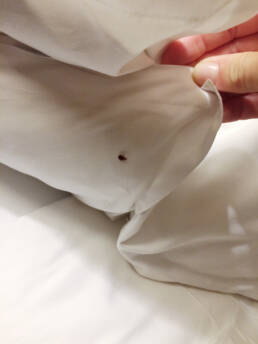
Look at the corners and edges of the master bedroom. Pull a corner of any fitted sheet that is on the bed and check the seams. Run your eyes along the baseboard behind where a bed has been and along the wall outlets in the bedroom. Pinpoint dark stains arranged in clusters, shed skins that look like translucent shells, or a freshly applied paint patch on a baseboard near the bed are all worth a second look.
A house that smells faintly of fresh paint in only one bedroom, on a property that is otherwise unrenovated, is a question worth asking. So is a brand-new mattress staged in a home where everything else is older.
The Hot Bugz Pre-Listing Recommendation for Sellers
If you are preparing to list a home with any bed bug history within the last few years, get the property treated and inspected before the listing photos are taken. A heat treatment from Hot Bugz takes a single day, leaves no chemical residue, and produces documentation you can hand to your agent. That paperwork matters. Buyers who see a treatment certificate alongside the disclosure form often respond better than buyers who learn about a past issue from a vague mention.
Treating before listing also protects you against a real risk: a bed bug returning during the listing period. Open houses bring in dozens of strangers. A fresh treatment plus encasements on remaining mattresses lowers the odds of an awkward conversation halfway through escrow.
Adding Bed Bug Inspection to the Home Inspection Contingency
Standard home inspections do not check for bed bugs. The general inspector walks the structure, roof, systems, and a handful of mechanical items. Pest inspections, when they happen at all, usually focus on wood-destroying insects like termites and carpenter ants.
A buyer who wants real coverage can add a bed bug inspection as a separate line item during the inspection period. A trained eye looking at mattress seams, box springs, headboards, baseboards, and outlet covers can clear a property in under an hour. The cost is small compared to walking into a problem the day the moving truck arrives.
If anything turns up, that is the right time to negotiate. Buyers can ask for a heat treatment as a closing condition. Sellers can credit the cost or coordinate the treatment directly. Either path resolves cleanly when the issue is on the table.
After Closing, the Risk Does Not Disappear
A clean inspection does not guarantee the next ninety days. Bed bugs can ride in on a piece of furniture, a contractor, or a houseguest. New homeowners are wise to run a flashlight along their bed seams once a week for the first month and treat anything that appears as a quick problem rather than letting it sit.
For the seller, post-closing claims are the bigger concern. Saving the disclosure form, the treatment paperwork, and any inspection reports protects you years later if a question comes up.
Disclose Early, Inspect Carefully
The Denver real estate transactions that get tangled up by bed bugs are almost always the ones where someone hoped the issue would not come up. The cleaner path runs in the other direction: sellers disclose what they know and treat ahead of listing, buyers add a bed bug inspection to their contingency, and both sides keep the documentation. Hot Bugz handles the inspection and treatment side for Denver homeowners on either end of the deal.
Ready for an expert opinion? Get in touch today!
We kill bed bugs in the infested space and surrounding walls by heating the space to a temperature of 135°F, killing all bed bugs and their eggs. If you have a bed bug problem, we have a solution. Exterminate bed bugs today with Hot Bugz. It’s safe and you get to keep your stuff. Call us today for a free consultation.