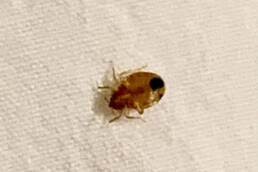


When people discover bed bugs, the first reaction is often shame or frustration. Many assume an infestation means their home is dirty or poorly kept. The truth is far less personal. Bed bugs don’t care how clean your space is. What they do care about is access—and many buildings unknowingly give them exactly that.
Understanding how bed bugs move through structural vulnerabilities can help explain why infestations happen and why professional treatment is so important.
Bed Bugs Are Expert Hitchhikers
Bed bugs are small, flat, and incredibly good at hiding. While they often arrive through luggage, furniture, or clothing, they don’t always stay in one place. Once inside a building, bed bugs can move far beyond the original room where they arrived.
In multi-unit buildings like apartments, condos, hotels, and dorms, bed bugs can travel between units without ever being seen. They use tiny openings most people never think about.
Common Structural Pathways Bed Bugs Use
Many buildings have hidden gaps that connect rooms and units. Bed bugs take full advantage of these pathways, including:
- Cracks in walls or ceilings
- Gaps around baseboards
- Electrical outlets and switch plates
- Plumbing lines under sinks and behind toilets
- HVAC ducts and vents
- Shared laundry rooms and trash areas
Because bed bugs can flatten their bodies to fit into extremely small spaces, even a crack the width of a credit card can be enough for them to pass through.
Why Multi-Unit Buildings Are at Higher Risk
In single-family homes, bed bugs are usually limited to the areas where people sleep or rest. In multi-unit buildings, the situation is more complex. An infestation in one unit can spread to neighboring units above, below, or next door.
This is why treating only one apartment often doesn’t solve the problem. If bed bugs remain hidden in walls or shared spaces, they can return weeks or months later. Coordinated treatment and inspection are key to stopping the cycle.
How Temperature and Vibration Play a Role
Bed bugs are sensitive to changes in temperature and vibration. When one unit is treated—especially with sprays or DIY methods—bed bugs may flee the area instead of dying. They move deeper into walls or into nearby units to escape.
This is one reason why incomplete or improper treatment can make an infestation worse. Instead of eliminating the problem, it can push bed bugs into harder-to-reach areas.
Professional heat treatment, like the methods used by Hot Bugz, raises temperatures high enough to eliminate bed bugs wherever they hide, including inside walls and structural voids.
Why Clean Homes Still Get Bed Bugs
A clean home with modern furniture and good housekeeping can still have structural vulnerabilities. Bed bugs don’t live on dirt or food crumbs. They live close to people.
Even newly built or renovated buildings can have gaps behind walls, around wiring, or beneath flooring. These hidden spaces create perfect shelter for bed bugs to hide during the day and travel at night.
Cleanliness helps with detection, but it does not prevent bed bugs from entering or spreading.
What Homeowners and Property Managers Can Do
While structural issues are often unavoidable, there are steps that can help reduce risk:
- Seal cracks and gaps around baseboards and walls
- Use outlet covers designed to block pests
- Reduce clutter near beds and seating areas
- Report infestations early, especially in apartments
- Avoid DIY treatments that may cause bed bugs to scatter
Most importantly, infestations should be addressed by professionals who understand how bed bugs move through buildings—not just how to treat what’s visible.
The Importance of Whole-Structure Treatment
Because bed bugs don’t stay in one place, effective treatment must go beyond mattresses and furniture. Walls, floors, and shared spaces all matter.
Professional services take the entire structure into account. Heat treatment, in particular, reaches places sprays cannot. It eliminates bed bugs at every life stage and reduces the chance of reinfestation caused by hidden survivors.
The Takeaway
If you’re dealing with bed bugs, it’s not a personal failure—and it’s probably not your home’s cleanliness. Bed bugs thrive because buildings give them hidden pathways to move and hide.
Understanding structural vulnerabilities helps explain why bed bugs are so persistent and why professional treatment is often the only real solution. When infestations are handled correctly and completely, they can be eliminated for good.
Working with experienced professionals like Hot Bugz ensures that bed bugs are addressed not just where you see them, but everywhere they might be hiding.
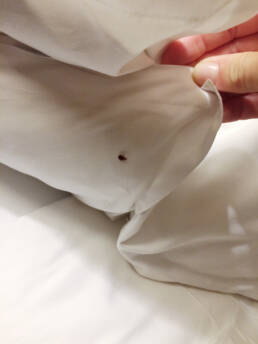
Ready for an expert opinion? Get in touch today!
We kill bed bugs in the infested space and surrounding walls by heating the space to a temperature of 135°F, killing all bed bugs and their eggs. If you have a bed bug problem, we have a solution. Exterminate bed bugs today with Hot Bugz. It’s safe and you get to keep your stuff. Call us today for a free consultation.