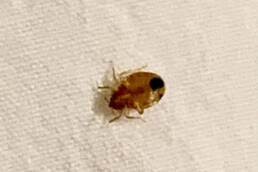

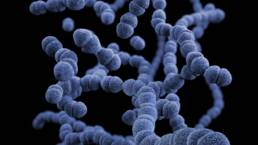
When most people think about bed bugs, they picture itchy bites, sleepless nights, and the stress of getting rid of them. But there’s something most people don’t know: bed bugs aren’t alone. Inside their tiny bodies lives a whole world of bacteria and microorganisms. This hidden ecosystem is called a microbiome, and it plays a big role in how bed bugs survive, grow, and spread.
Understanding the bed bug microbiome helps scientists learn more about why these pests are so hard to eliminate—and how future treatments may become even more effective.
What Is a Microbiome?
A microbiome is a community of microscopic organisms, like bacteria, that live inside a living creature. Humans have a microbiome in their gut that helps with digestion and immune health. Bed bugs also have a microbiome, mostly inside their digestive system.
These bacteria are not random. Many of them have been living with bed bugs for thousands of years. Some are so important that bed bugs could not survive without them.
Why Bed Bugs Need Bacteria to Survive
Bed bugs feed only on blood. While blood has protein, it does not contain all the vitamins bed bugs need to live. That’s where their microbiome comes in.
Certain bacteria inside bed bugs help create missing nutrients, like B vitamins. Without these bacteria, bed bugs grow slower, have trouble reproducing, and may not survive at all. In simple terms, the bacteria help bed bugs stay strong and active.
This relationship is called symbiosis, meaning both the bed bug and the bacteria help each other. The bed bug gives the bacteria a place to live, and the bacteria help the bed bug stay alive.
How the Microbiome Helps Bed Bugs Spread
The microbiome may also affect how bed bugs react to their environment. Research suggests that some bacteria can influence:
- How quickly bed bugs grow
- How well they reproduce
- How they respond to stress, like changes in temperature
- How resistant they are to certain treatments
This could help explain why bed bugs are so tough and why infestations can spread quickly if not handled properly.
Can the Microbiome Affect Treatment Resistance?
One of the biggest challenges with bed bugs today is treatment resistance. Many bed bugs no longer respond to common chemical pesticides. Scientists believe the microbiome may play a role in this resistance.
Some bacteria can help break down chemicals that would normally harm insects. If bed bugs carry bacteria that protect them from treatments, it could make extermination harder.
This is why professional treatment methods—like heat treatments used by experienced companies such as Hot Bugz—are so important. Heat does not rely on chemicals and is effective regardless of bacterial resistance.
Could Targeting the Microbiome Be the Future?
Scientists are exploring new ways to control bed bugs by targeting their microbiome instead of the bugs themselves. This could include:
- Removing or disrupting helpful bacteria
- Introducing harmless bacteria that weaken bed bugs
- Using treatments that interfere with bacterial functions
While these methods are still being studied, they show promise for the future of pest control. Instead of just killing bed bugs, treatments could make it harder for them to survive or reproduce in the first place.
What This Means for Homeowners
You don’t need to understand microbiology to protect your home, but this research helps explain why bed bugs are not a simple problem. Because bed bugs depend on internal systems like their microbiome, partial or DIY treatments often fail.
Sprays and home remedies may kill some bugs, but they often leave survivors behind. Those survivors can rebuild the infestation quickly, with help from their internal bacteria.
Professional treatments that target bed bugs at every life stage are much more reliable. Heat treatment, for example, kills bed bugs and their eggs without relying on chemicals that bacteria might resist.
The Takeaway
Bed bugs are more complex than they appear. Inside each one is a hidden world of bacteria that helps it survive, grow, and spread. This microbiome plays a role in why bed bugs are so resilient and difficult to eliminate.
As science continues to learn more about bed bug biology, treatments will keep improving. Until then, the best defense is early detection and professional intervention.
If you’re dealing with a suspected infestation, working with experienced professionals like Hot Bugz ensures the problem is handled completely—no matter what’s hiding inside the bugs.
Ready for an expert opinion? Get in touch today!
We kill bed bugs in the infested space and surrounding walls by heating the space to a temperature of 135°F, killing all bed bugs and their eggs. If you have a bed bug problem, we have a solution. Exterminate bed bugs today with Hot Bugz. It’s safe and you get to keep your stuff. Call us today for a free consultation.