

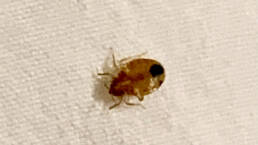
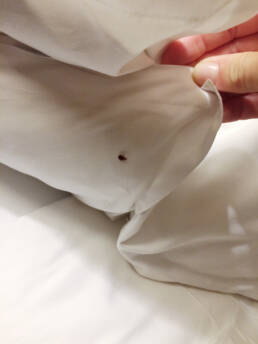
Storing your belongings should give you peace of mind—not create a new bed bug problem. Whether you’re moving, downsizing, traveling long-term, or clearing space during a treatment, storage can be a hidden risk if bed bugs are involved. Without the right steps, it’s easy to seal bed bugs in with your items or bring them back home later.

The good news is that with proper preparation, you can store your belongings safely and avoid reinfestation.

Why Storage Units Can Be a Bed Bug Risk

Bed bugs don’t need food every day to survive. In fact, they can live for months without feeding. That means if even one bed bug or egg makes it into storage, it can stay hidden until your items are unpacked again.

Storage units may also house items from many different people. While reputable facilities work hard to prevent pests, bed bugs can still be introduced through furniture, boxes, or fabric items stored nearby.

Step One: Never Store Untreated Infested Items

If you suspect or know you have bed bugs, do not place untreated items directly into storage. This can lock bed bugs inside and make them harder to eliminate later.

Before storing anything, it’s important to either:

  • Complete professional bed bug treatment, or
  • Properly treat individual items using heat, cold, or sealing methods

Professional heat treatment is one of the most reliable ways to ensure bed bugs and eggs are eliminated before storage. Companies like Hot Bugz specialize in methods that reach deep into belongings where bed bugs hide.

How to Prepare Items for Storage

Different items need different preparation. Here’s how to handle the most common categories.

Clothing and Linens
Wash items in hot water and dry on the highest heat setting for at least 30 minutes. Once dry, immediately seal them in clean plastic bags or airtight bins. Do not reopen them until you’re ready to use them again.

Furniture
Inspect furniture carefully, especially seams, joints, and undersides. If furniture has been treated, wrap it tightly in plastic wrap or furniture storage bags designed to keep pests out.

Electronics
Bed bugs can hide inside electronics because they generate warmth. These items often need professional heat treatment or specialized containment. Avoid placing electronics loose into storage without protection.

Books and Paper Items
Seal books and papers in airtight containers. For valuable items, professional treatment is often safer than DIY methods.

Choosing the Right Storage Containers

Cardboard boxes are common, but they’re not ideal for bed bug prevention. Bed bugs can hide in the folds and seams, and cardboard absorbs moisture.

Better options include:

  • Hard plastic bins with tight-fitting lids
  • Vacuum-sealed bags for fabric items
  • Clear containers that allow easy inspection

Label bins clearly so you don’t open them unnecessarily.

Where to Place Items Inside the Storage Unit

How you arrange your storage unit matters. Keep items:

  • Off the floor using pallets or shelving
  • Away from walls when possible
  • Organized so items can be inspected

Avoid clutter. The more crowded the unit, the harder it is to spot signs of pests.

Should You Use Cold Storage to Kill Bed Bugs?

Extreme cold can kill bed bugs, but it must be consistent and cold enough for long enough. Most household freezers are not reliable unless items stay below freezing for several days.

Storage units, even climate-controlled ones, do not reach temperatures low enough to kill bed bugs. Cold storage should never be your only prevention method.

How to Safely Unpack After Storage

When it’s time to bring items back home, unpack carefully. Open containers in a clean, open area and inspect items as you remove them. Wash and dry clothing again if possible, even if it was treated before storage.

Avoid bringing storage bins directly into bedrooms until you’re confident items are pest-free.

The Takeaway

Long-term storage doesn’t have to put you at risk for bed bugs, but it does require planning. Storing untreated items or using poor containers can undo weeks of effort and lead to reinfestation.

By treating items properly, sealing them correctly, and choosing smart storage practices, you can protect your belongings and your home.

If you’re preparing for storage during or after a bed bug issue, working with professionals like Hot Bugz helps ensure nothing unwanted is packed away with your valuables.

Ready for an expert opinion? Get in touch today!

We kill bed bugs in the infested space and surrounding walls by heating the space to a temperature of 135°F, killing all bed bugs and their eggs. If you have a bed bug problem, we have a solution. Exterminate bed bugs today with Hot Bugz. It’s safe and you get to keep your stuff. Call us today for a free consultation.

Contact Us Today
Like this article? Spread the word!
...