


Bed bugs spread through apartment buildings by walking along shared walls, pipes and outlets, and by riding in luggage, laundry and secondhand furniture. One infested unit can become a building-wide problem in a matter of weeks. The best protection for a Denver multiunit property is a mix of tenant education, fast reporting, tidy common areas and routine professional inspections. Hot Bugz is a Denver pest control company that treats bed bugs with heat, and we work with property managers and landlords across the metro area to catch infestations early and keep them from moving door to door.
Why do bed bugs spread so fast in apartment buildings?
Bed bugs spread faster in apartments than in houses because the units are physically connected. The bugs travel through gaps around pipes, wiring and baseboards, and they move between floors inside wall voids. Shared laundry rooms, hallway furniture and move-in traffic give them even more rides.
The pest is the common bed bug, Cimex lectularius, a flat, wingless, reddish-brown insect about the size of an apple seed. Because a treated unit can be reinfested from next door, prevention has to include the neighbors.
What are the first signs of bed bugs in an apartment?
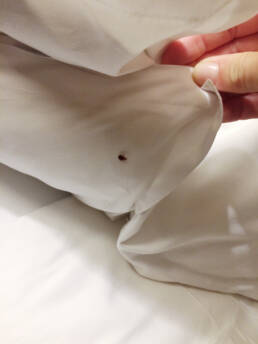
The most reliable early signs are tiny black fecal spots on mattress seams, rust-colored smears on sheets, and pale shed skins or eggs tucked into cracks near the bed. Bites alone are a weak clue. Many people never react to them, and the welts look a lot like mosquito or flea bites.
When you inspect, start where people sleep and work outward:
- Mattress and box spring seams, piping and tags
- Screw holes and joints in the bed frame and headboard
- Couch cushions and the underside of upholstered chairs
- Baseboards, outlet covers and picture frames within a few feet of the bed
Hot Bugz never treats a unit until we find live bed bugs and show them to the client.
What should a tenant do if they suspect bed bugs?
A tenant should report suspected bed bugs to the landlord in writing or by email the same day and keep proof the message was sent. After that, the best move is to leave things where they are.
Moving a mattress or sleeping elsewhere spreads bugs into new rooms and homes. Store-bought foggers push them deeper into the walls.
Managers can speed up reporting by printing the reporting email or portal in the lease and move-in packet, along with photos of bugs, eggs and fecal spots. Residents who don’t fear blame report sooner.
How do clutter and old furniture raise the risk?
Clutter gives bed bugs more hiding places and makes inspections slower and less certain.
In shared spaces, keep lobbies and laundry rooms free of donated furniture and lost-and-found piles. Encourage residents to use plastic bins with tight lids instead of cardboard boxes, which bed bugs readily hide in.
Discarded furniture is one of the most common ways bed bugs move through a building. Wrap infested mattresses and couches in plastic before they leave the unit, and mark them so nobody hauls them back in.
What does Colorado law require when bed bugs are reported?
Colorado landlords must get a unit inspected by a qualified inspector within 96 hours of a tenant’s bed bug report. The rules come from House Bill 19-1328, which took effect January 1, 2020. The key requirements:
- The tenant gives prompt written or electronic notice and keeps proof of delivery.
- The landlord arranges an inspection within 96 hours and shares the results in writing within two business days.
- If bed bugs are confirmed, adjoining units must be inspected as soon as reasonably practical.
- The landlord generally pays for inspection and treatment, while the tenant covers the cost of preparing the unit.
- A tenant who knowingly and unreasonably refuses to cooperate can be billed for follow-up treatments.
- On request, a landlord must tell a prospective tenant whether the unit had bed bugs in the previous eight months.
Entry requires 48 hours’ notice unless the tenant waives it, according to Colorado Legal Services. This is a summary, not legal advice.
How does Hot Bugz heat treatment work in an apartment?
Hot Bugz heats the entire unit to between 135°F and 140°F, well past the roughly 120°F point where bed bugs die. At that temperature every life stage dies, including eggs, which sprays often miss.
A treatment runs 5 to 10 hours, and residents usually return the same day. No pesticides are used, and mattresses and couches usually stay.
The U.S. EPA notes that many bed bug populations resist common insecticides. They cannot resist heat. In apartments we also check adjoining units so a neighbor doesn’t reinfest the one we just treated.
Do routine inspections actually prevent bed bugs?
Routine inspections won’t stop bed bugs from arriving, but they catch an introduction while it is one unit instead of a whole floor. Many managers inspect every unit at move-out, since turnover is when bugs most often come and go. Checking the surrounding units after any confirmed case is just as useful.
Keeping your Denver building bed bug free
Most building-wide infestations start with one unreported unit or one unwrapped couch at the curb. Quick reporting, less clutter and a fast professional response keep a single case from spreading. If you manage a Denver-area property and want an inspection or prevention plan, contact Hot Bugz to schedule a visit.
Ready for an expert opinion? Get in touch today!
We kill bed bugs in the infested space and surrounding walls by heating the space to a temperature of 135°F, killing all bed bugs and their eggs. If you have a bed bug problem, we have a solution. Exterminate bed bugs today with Hot Bugz. It’s safe and you get to keep your stuff. Call us today for a free consultation.
Like this article? Spread the word!
Related Posts


August 19, 2024
How Landlords Can Proactively Manage Bed Bug Infestations: Advice from Hot Bugz
Learn how educating your tenants on bed bug prevention can save you time and money while…